
Opening a community-based leisure center in a municipality involves navigating regulatory constraints, funding requirements, and pedagogical choices that vary according to the territory’s profile. The declaration to the state services represents only a fraction of the process: the sizing of the premises, the recruitment of a qualified director, and the drafting of the educational project determine the actual viability of the structure.
Staffing Ratios and Qualifications Required for a Community-Based Leisure Reception
The regulatory framework imposes precise thresholds that directly determine the operating budget. Before forming the association, it is essential to measure the gap between these obligations and the resources available in the municipality.
| Criteria | Leisure Reception (under 6 years) | Leisure Reception (6-17 years) |
|---|---|---|
| Declaring Capacity | 7 to 300 children | 7 to 300 children |
| Minimum Supervision | 1 supervisor for 8 children | 1 supervisor for 12 children |
| Director Qualification | BPJEPS or equivalent | BPJEPS or equivalent |
| Minimum Operating Duration (with PEDT) | 1 hour per school day | 1 hour per school day |
| Minimum Operating Duration (without PEDT) | 2 hours per day | 2 hours per day |
The difference in ratios between age groups is significant: accommodating around thirty children under 6 years requires four supervisors, compared to three for the same cohort over 6 years. The staffing position is the primary budgetary lever to calibrate from the project phase.
Several departmental youth and sports services report increasing pressure on the recruitment of directors with BPJEPS or CPJEPS qualifications. For a project leader, this means anticipating recruitment several months before opening, or even considering arrangements such as shared management between several structures or resorting to an employer group.
Knowing how to open a community-based leisure center starts with this analysis of human feasibility, well before drafting the statutes.
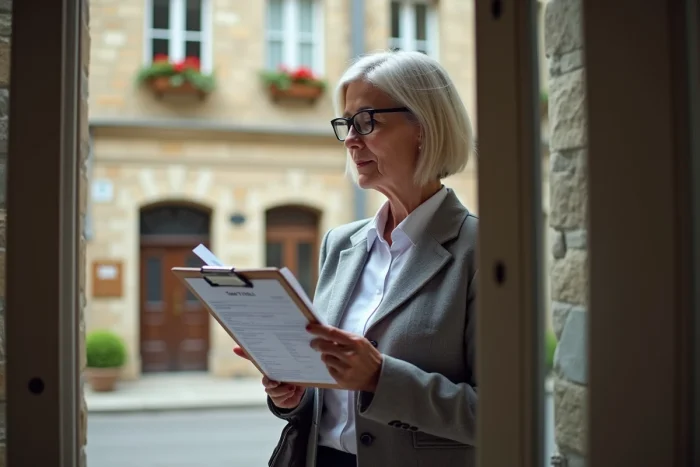
SDJES Declaration and Educational Project: Administrative Obligations of the Leisure Center
The community-based leisure reception falls under the social action and family code. Any structure hosting minors must be declared to the DDCSPP (or the SDJES depending on the department). This declaration conditions the authorization to operate and access to CAF funding.
Contents of the Declaration File
- The educational project of the organizer, which sets the objectives regarding education, socialization, and the well-being of the children welcomed.
- The job descriptions and qualifications of the director and supervisors, with copies of diplomas (BPJEPS, CPJEPS, BAFA depending on the roles).
- A description of the premises and spaces used, including applicable safety and accessibility standards for establishments receiving the public.
- The organization of meals if the structure provides catering services.
The educational project is not written as a formality. State services check the consistency between the announced objectives and the means deployed. A project that is too vague or generic leads to requests for additional information that delay the opening.
Connection with the Territorial Educational Project
Signing a PEDT with state services offers a concrete advantage: the minimum operating duration decreases from two hours to one hour per school day. For an association starting with limited resources, this flexibility allows for a viable after-school reception without mobilizing a complete team over extended time slots.
The PEDT also formalizes coordination between the school, the community, and the association. It establishes shared axes (complementary educational activities to the school, diversity of activities, cultural openness) that structure the animation program.
CAF Funding and Inclusion Requirements: What Has Changed Since 2022
Several CAFs have tightened their funding criteria in recent years. Beyond the standard file, project leaders must now integrate inclusion objectives and identification of vulnerable populations into their educational project.
The CAF of Rhône (partner guide, 2023 version) and the CAF of Gironde (partner file, 2024 version) explicitly mention specific analysis grids attached to the PEDT or the youth childhood contract. These grids address early identification of disorders, welcoming children with disabilities, and the care of minors under child protection.
In practice, an association that does not document its inclusion measures risks funding refusal or a reduced amount. Planning an inclusion component from the drafting of the educational project avoids having to reformulate the file after an initial negative response.

Premises and Reception Spaces: Standards to Comply with for a Community Leisure Center
The premises are often the most complex aspect for an association, as they must meet ERP (establishments receiving the public) standards while providing spaces suitable for the age groups welcomed.
A leisure reception for children under 6 years requires rest areas, suitable sanitary facilities, and a separate dining area if meals are served. For ages 6-17, regulations emphasize the diversity of activity spaces (indoor and outdoor) and the reception capacity consistent with the declared supervision ratios.
Many associations rely on municipal premises made available through agreements. This arrangement reduces costs, but the agreement must specify the distribution of compliance works, building insurance, and shared occupancy slots with other users.
Organizers often underestimate the initial setup costs. Suitable furniture, educational materials, collective kitchen equipment: the initial investment budget determines the quality of the reception as much as the recruitment of the team.
The opening of a community-based leisure center hinges on the rigor of the preliminary steps. The feasibility of recruitment, the robustness of the educational project in light of CAF requirements, and the compliance of the premises form a triptych where no element can be addressed later. Associations that complete their SDJES declaration file in less than six months are generally those that have secured the human resources and real estate aspects even before submitting the statutes to the prefecture.